Advocacy for Women's Health
In Nepal, many girls and women face inequality from the very beginning of their lives. Social norms often favour boys over girls, especially in access to education, nutrition, and opportunities.
In Nepal, many girls and women face inequality from the very beginning of their lives. Social norms often favour boys over girls, especially in access to education, nutrition, and opportunities. As a result, many women grow up with fewer rights, limited resources, and restricted access to essential services.
Health outcomes reflect these inequalities. Maternal health challenges remain significant, and women are often more vulnerable to diseases due to limited awareness, access to care, and social barriers. In many cases, women's health is closely tied to their roles within the household, often placing their own well-being last.
Health Risks for Women
Women and girls, especially those living in poverty, face serious daily health risks. Young children and women of reproductive age are particularly vulnerable.
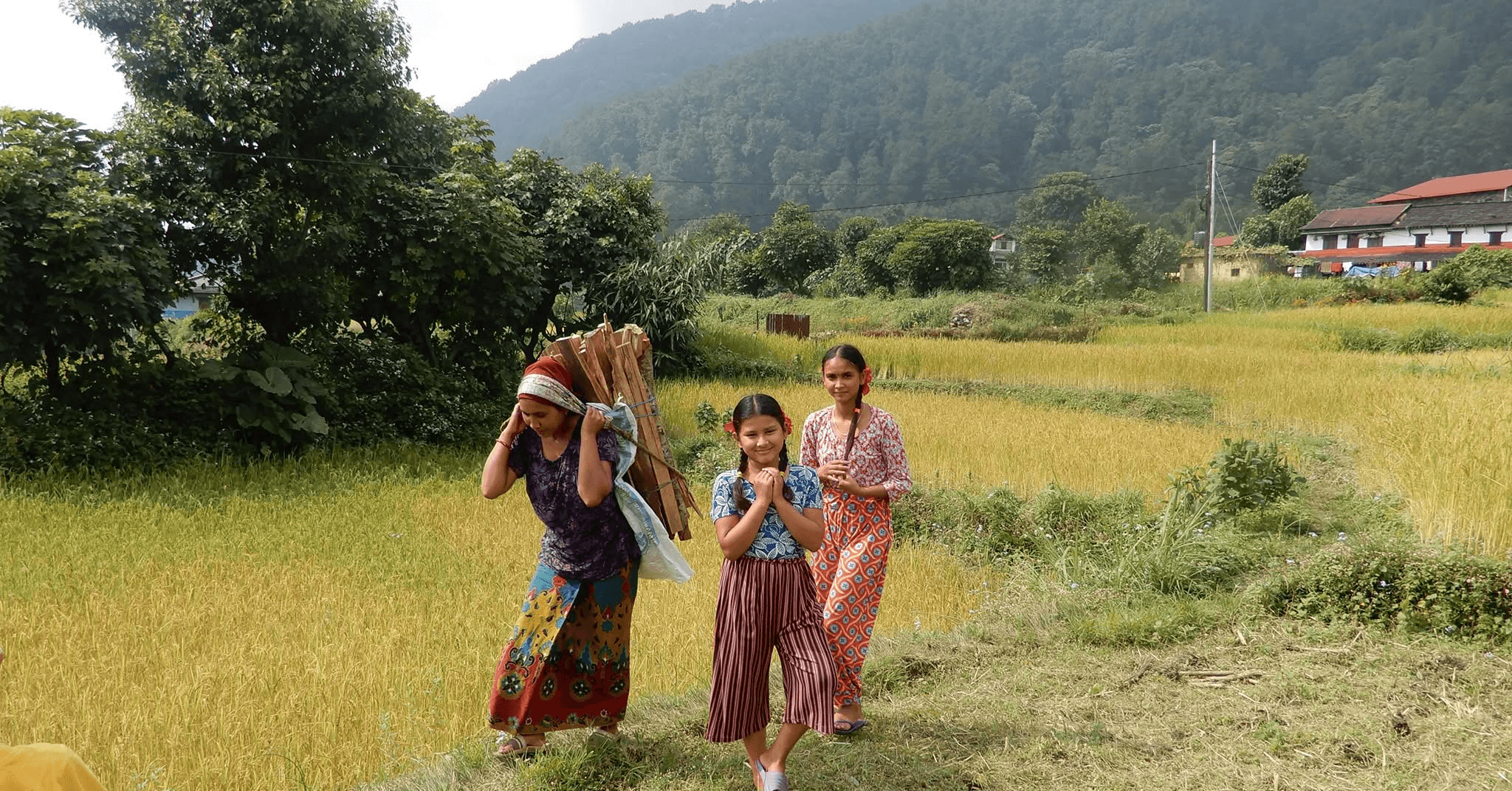
In rural areas, women carry out physically demanding and sometimes dangerous tasks such as collecting firewood, carrying heavy loads, and working near cliffs and riverbanks. These activities expose them to injuries, long-term health issues, and environmental risks. In addition, they may face threats such as violence, harassment, or snake bites while performing these daily duties.
Limited access to healthcare, combined with demanding workloads and poor living conditions, further increases their vulnerability.
In response, we provide basic healthcare support to our beneficiaries and conduct awareness programs in schools and communities to promote women's health, safety, and well-being.
Menstrual Health & Awareness
Menstrual health remains a sensitive and often misunderstood issue in many parts of Nepal. Due to cultural beliefs and traditions, menstruation is sometimes viewed as impure, leading to discrimination and harmful practices.
In some rural areas, the practice of "Chhaupadi" still exists, where women and girls are isolated in unsafe conditions during their menstrual cycle. This exposes them to serious risks, including illness, abuse and violence.
Additionally, many girls lack access to proper menstrual hygiene products and may miss school during their periods, affecting their education and confidence.
To address these challenges, we provide sanitary pads to our beneficiaries and conduct awareness programs in schools and communities. These programs aim to promote safe hygiene practices, challenge harmful beliefs, and support dignity and inclusion for women and girls.
Our Commitment
Through healthcare support, awareness programs, and practical solutions, we aim to improve the overall health and well-being of women and girls. By addressing both immediate needs and long-standing social challenges, we work toward a future where every woman can live with dignity, safety, and equal opportunity.