Bahini Educare Foundation is deeply committed to protecting the safety and security of vulnerable children in Nepal. We uphold the principles and obligations outlined in the United Nations Convention on the Rights of the Child 1989 (CRC) and the Children's Act, 2075 (2018).
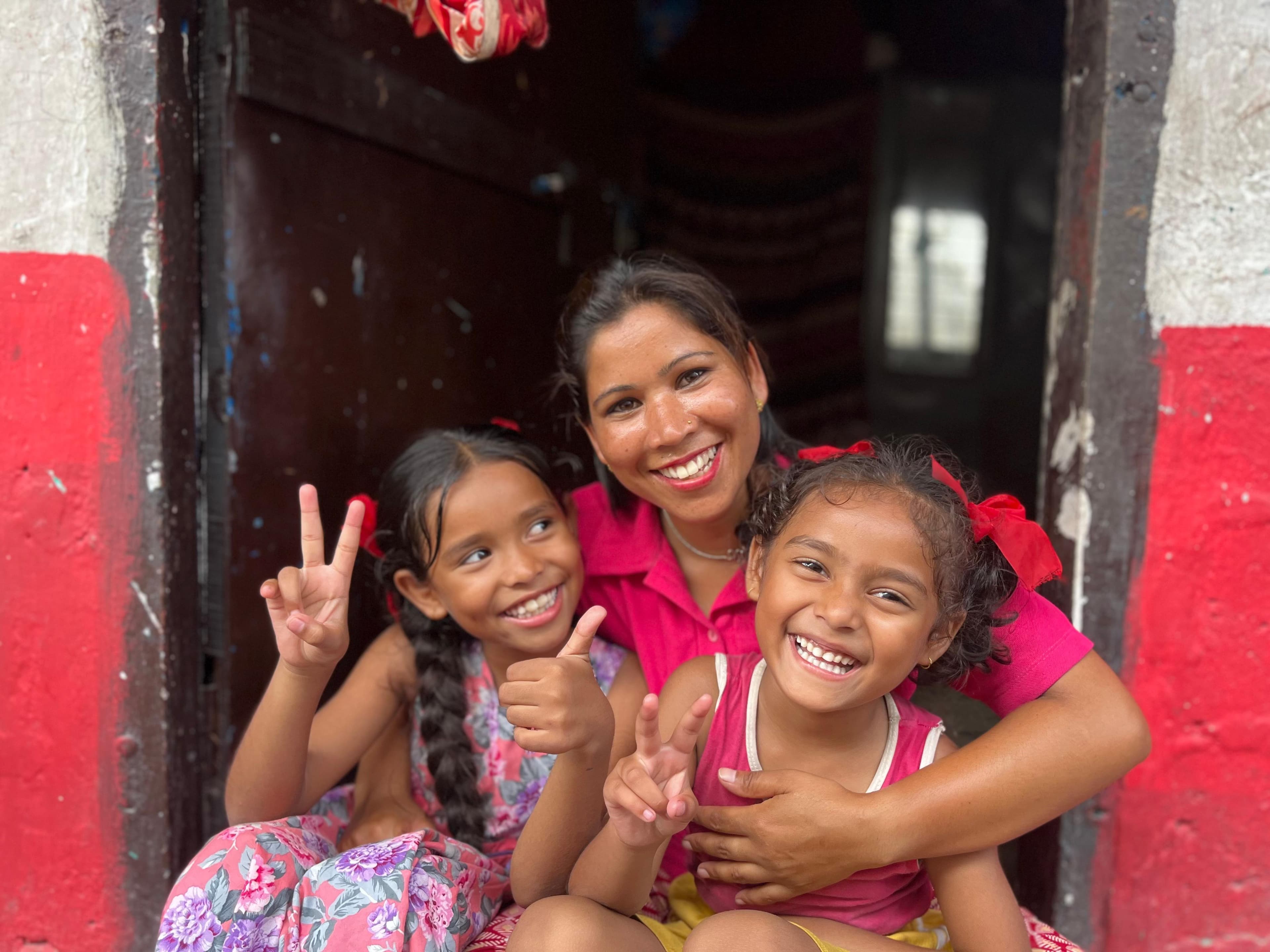
Preamble
Established in 2014, Bahini Educare Foundation is a non-governmental, nonprofit organization dedicated to promoting the rights of children, providing educational support, and advocating for women's health and empowerment. "Bahini" translates to "girls," reflecting our focus on the protection of girls, while "Educare" embodies education, healthcare, nutrition, clothing, hygiene, counselling, and protection services. While our primary focus is on girls, we also extend support to boys as and when necessary.
Our innovative and all-encompassing program is based on the provision of basic needs, education, vocational training, communication, and social mobilization to prevent human trafficking and all forms of exploitation.
Bahini Educare Foundation is deeply committed to protecting the safety and security of vulnerable children in Nepal. We uphold the principles and obligations outlined in the United Nations Convention on the Rights of the Child 1989 (CRC) and the Children's Act, 2075 (2018). The CRC states that 'All children have equal rights to protection from abuse and exploitation'. Our organization condemns all forms of child abuse and exploitation and takes prompt action to address any reported incidents, both within and outside the organization. Through risk management strategies, we strive to create safe environments for all children associated with our programs, ensuring they experience zero harm.
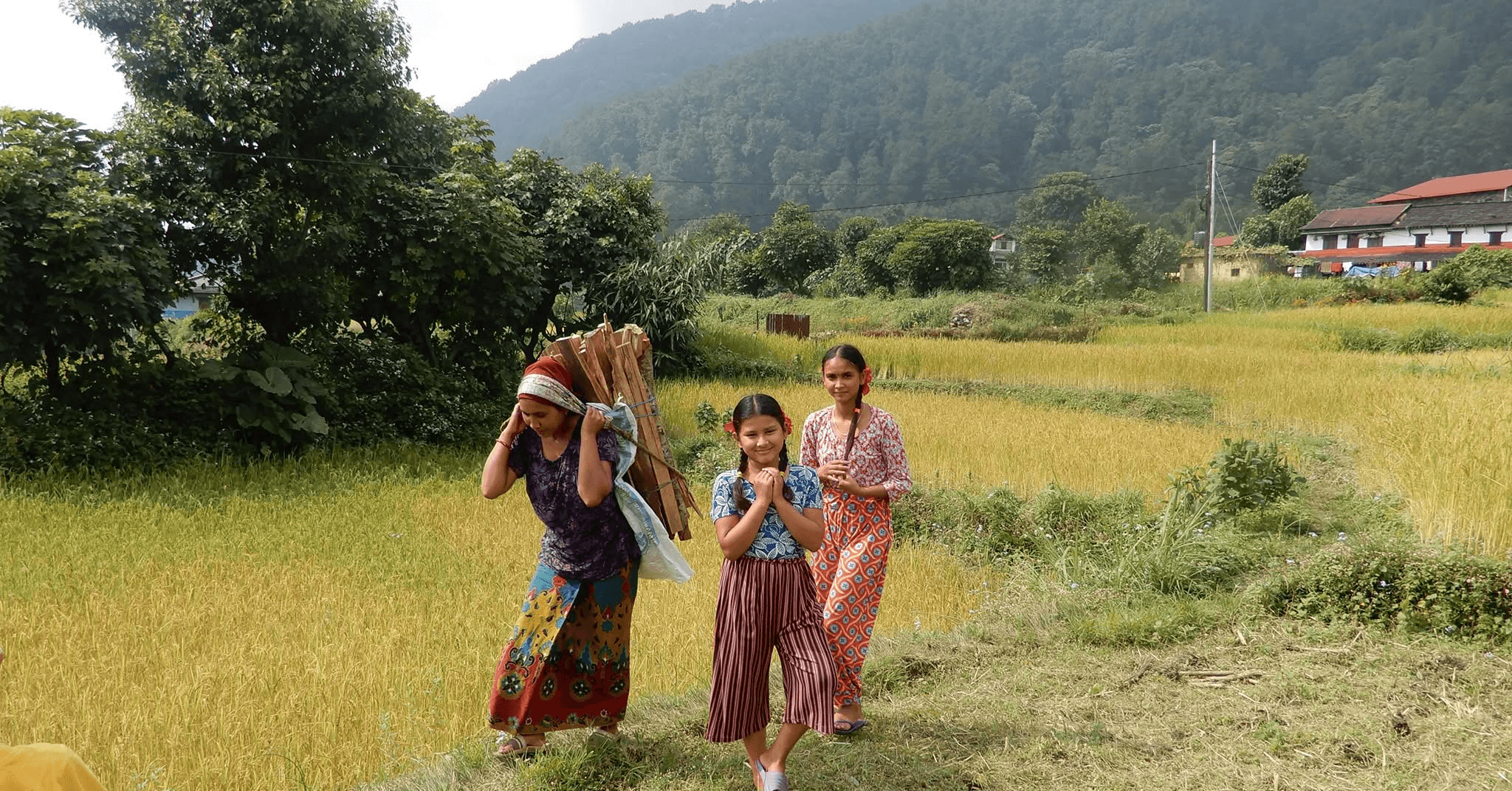
Preamble
Established in 2014, Bahini Educare Foundation is a non-governmental, nonprofit organization dedicated to promoting the rights of children, providing educational support, and advocating for women's health and empowerment. "Bahini" translates to "girls," reflecting our focus on the protection of girls, while "Educare" embodies education, healthcare, nutrition, clothing, hygiene, counselling, and protection services. While our primary focus is on girls, we also extend support to boys as and when necessary.
Our innovative and all-encompassing program is based on the provision of basic needs, education, vocational training, communication, and social mobilization to prevent human trafficking and all forms of exploitation.
Bahini Educare Foundation is deeply committed to protecting the safety and security of vulnerable children in Nepal. We uphold the principles and obligations outlined in the United Nations Convention on the Rights of the Child 1989 (CRC) and the Children's Act, 2075 (2018). The CRC states that 'All children have equal rights to protection from abuse and exploitation'. Our organization condemns all forms of child abuse and exploitation and takes prompt action to address any reported incidents, both within and outside the organization. Through risk management strategies, we strive to create safe environments for all children associated with our programs, ensuring they experience zero harm.
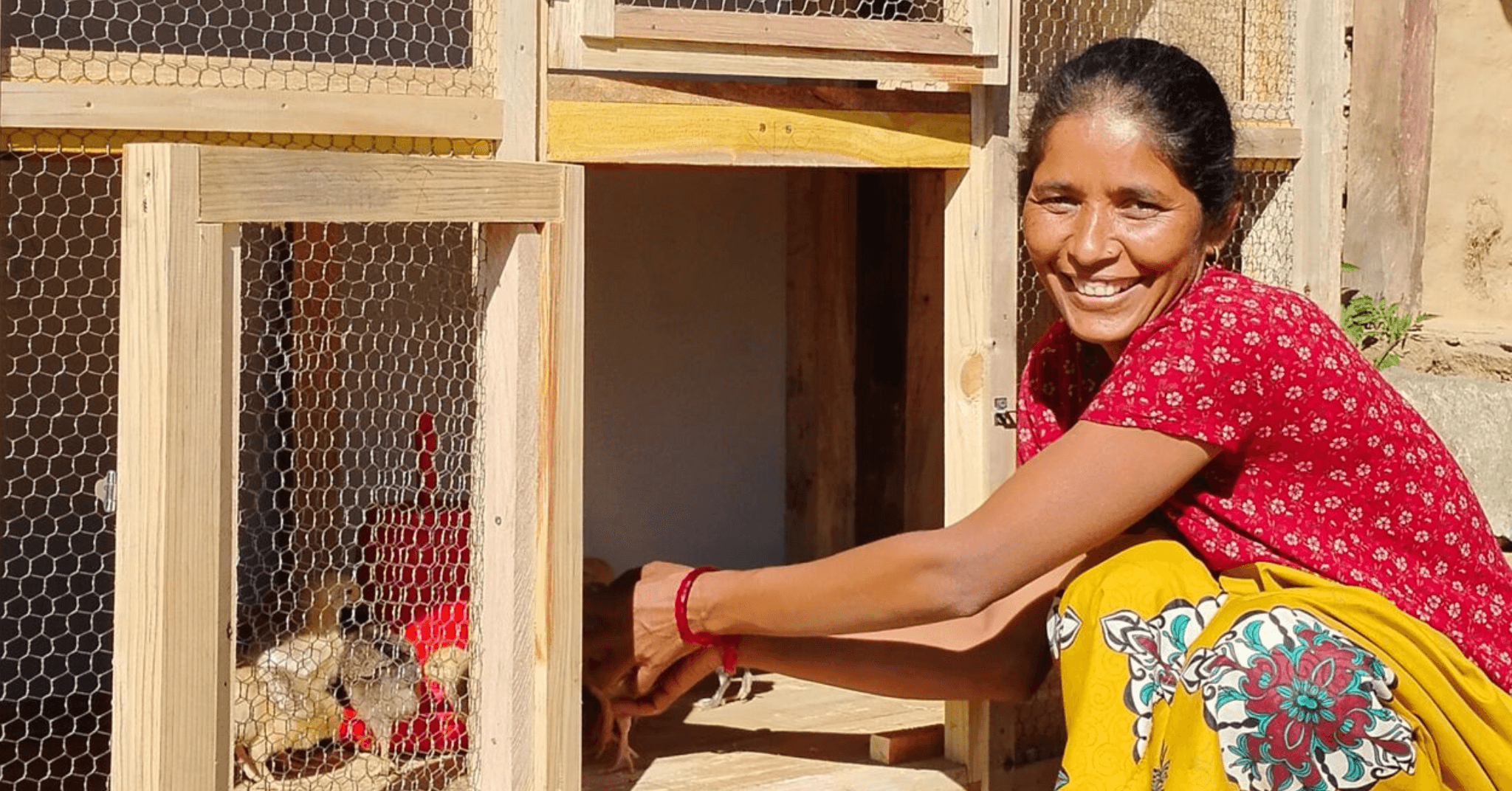
Scope of Policy
This policy applies to all individuals associated with Bahini Educare Foundation, including general members, part-time and full-time staff, resource persons, volunteers, interns, and partner organizations. Collectively referred to as "Members," these individuals are expected to adhere to the guidelines outlined herein.
Scope of Policy
This policy applies to all individuals associated with Bahini Educare Foundation, including general members, part-time and full-time staff, resource persons, volunteers, interns, and partner organizations. Collectively referred to as "Members," these individuals are expected to adhere to the guidelines outlined herein.
Definitions
- Child: As per the United Nations Convention on the Rights of the Child, a child is defined as a human being below the age of 18 years.
- Child Protection: Child protection embodies safeguarding children from various forms of harm, including physical and psychological abuse, exploitation through child labor, bullying, sexual abuse, discrimination, and harassment, all of which detrimentally affect their development and dignity.
- Child Abuse: This includes any form of maltreatment or exploitation of children, such as physical or mental violence, neglect, child labour, and sexual or commercial abuse/exploitation by parent(s), legal guardian(s) or any other individual.
Definitions
- Child: As per the United Nations Convention on the Rights of the Child, a child is defined as a human being below the age of 18 years.
- Child Protection: Child protection embodies safeguarding children from various forms of harm, including physical and psychological abuse, exploitation through child labor, bullying, sexual abuse, discrimination, and harassment, all of which detrimentally affect their development and dignity.
- Child Abuse: This includes any form of maltreatment or exploitation of children, such as physical or mental violence, neglect, child labour, and sexual or commercial abuse/exploitation by parent(s), legal guardian(s) or any other individual.
BEF's Commitment
- Raise awareness among Members and stakeholders regarding child abuse and exploitation.
- Provide orientation and guidance on appropriate responses to incidents of abuse or exploitation.
- Refrain from engaging and/or employing individuals or organizations that pose a risk to children during program interventions.
- In working with a Consortium member lacking its own Child Protection policy, the member will have to adopt our policy, based on contractual obligations.
BEF's Commitment
- Raise awareness among Members and stakeholders regarding child abuse and exploitation.
- Provide orientation and guidance on appropriate responses to incidents of abuse or exploitation.
- Refrain from engaging and/or employing individuals or organizations that pose a risk to children during program interventions.
- In working with a Consortium member lacking its own Child Protection policy, the member will have to adopt our policy, based on contractual obligations.
Goal & Objectives
Our goal is to protect children from all forms of abuse and exploitation during organizational operations and program interventions.
Establish organizational directives for child protection.
Foster fair practices among Members concerning the protection of children.
Goal & Objectives
Our goal is to protect children from all forms of abuse and exploitation during organizational operations and program interventions.
Establish organizational directives for child protection.
Foster fair practices among Members concerning the protection of children.
Guidelines for Reporting
In principle, all members, including consortium partners should report the incidents of actual child abuse/exploitation they witness or are reported to them. It should be ensured however that no personal biases are reflected in doing so and the Child Protection code of the organization is upheld.
Responsibly reported allegations should be officially acknowledged. Until the investigation is not accomplished, reported concerns are simply allegations.
Members should inform and discuss the perceived or apparent concerns with the immediate senior position holders. If one feels uneasy due to positional hierarchy, the matter should be informed to the Director of the organization who should deal the matter with high confidentiality and reach a prudent and just decision in coordination with the oversight committee.
In case of allegations reported against the Director or members, the Executive Committee or the Committee members authorized by the Executive Committee should look into the matter.
All concerns, disclosures or allegations can be submitted in writing, verbally or through any electronic medium. Allegations and reports exposed via media about the Members also fall under the scope of this Policy.
Guidelines for Reporting
In principle, all members, including consortium partners should report the incidents of actual child abuse/exploitation they witness or are reported to them. It should be ensured however that no personal biases are reflected in doing so and the Child Protection code of the organization is upheld.
Responsibly reported allegations should be officially acknowledged. Until the investigation is not accomplished, reported concerns are simply allegations.
Members should inform and discuss the perceived or apparent concerns with the immediate senior position holders. If one feels uneasy due to positional hierarchy, the matter should be informed to the Director of the organization who should deal the matter with high confidentiality and reach a prudent and just decision in coordination with the oversight committee.
In case of allegations reported against the Director or members, the Executive Committee or the Committee members authorized by the Executive Committee should look into the matter.
All concerns, disclosures or allegations can be submitted in writing, verbally or through any electronic medium. Allegations and reports exposed via media about the Members also fall under the scope of this Policy.
Addressing Reported Concerns
- Upon information of any case(s) the director or individuals authorized by the board should immediately call for a meeting.
- If the director or any person of higher authority has been alleged, the executive board or the committee authorized by the executive committee should look into the matter.
- Any individual identified or suspected of child abuse during the recruitment process will be disqualified.
- Bahini Educare Foundation adopts a zero-tolerance approach towards abusers/exploiters, prioritizing the safety and welfare of the child.
- The organization will adhere to Rule 2.9 of its Administrative Policy when addressing reported concerns.
Addressing Reported Concerns
- Upon information of any case(s) the director or individuals authorized by the board should immediately call for a meeting.
- If the director or any person of higher authority has been alleged, the executive board or the committee authorized by the executive committee should look into the matter.
- Any individual identified or suspected of child abuse during the recruitment process will be disqualified.
- Bahini Educare Foundation adopts a zero-tolerance approach towards abusers/exploiters, prioritizing the safety and welfare of the child.
- The organization will adhere to Rule 2.9 of its Administrative Policy when addressing reported concerns.
General Compliance
- Orienting staff and partner organizations on the Child Protection Policy.
- Providing copies of the policy to newly recruited staff.
- Training staff working directly with children on the provisions of the policy.
- Briefing Consortium partners on the policy and making sure this is followed.
- Uploading the policy on its website and integrating it into organizational statutes and policies.
- Periodically revising the policy to align with legal changes and providing corresponding training.
General Compliance
- Orienting staff and partner organizations on the Child Protection Policy.
- Providing copies of the policy to newly recruited staff.
- Training staff working directly with children on the provisions of the policy.
- Briefing Consortium partners on the policy and making sure this is followed.
- Uploading the policy on its website and integrating it into organizational statutes and policies.
- Periodically revising the policy to align with legal changes and providing corresponding training.
Code of Conduct — Do's
- Familiarize yourself with the organization's code of conduct regarding child protection.
- Treat all children with respect, regardless of their race, color, sex, language, religion, political beliefs, ethnicity, disability or any other characteristics.
- Understand the procedures for reporting concerns or incidents and be aware of the designated contacts for such matters.
- As far as possible, ensure that another adult is present when working with or in proximity to children.
- Promptly report any behavior by a member that physically or emotionally harms a child.
- Immediately report any behavior that is sexually inappropriate, provocative or exploitative towards children.
- Report if aware of any instances of hiring children for labor that is inappropriate for their age or development.
- Obtain verbal or written consent from all beneficiaries and parents or legal guardians before documenting photos or videos of children.
- Respect the beneficiaries' wishes if they do not wish to have their photo taken or shared publicly.
- Protect the privacy of children by avoiding the public disclosure of their full identities, contact information, or exact locations.
- Present children in photographs and videos in a dignified, appropriate, and respectful manner.
- Prioritize the well-being of children in all organizational programs and interventions.
Code of Conduct — Do's
- Familiarize yourself with the organization's code of conduct regarding child protection.
- Treat all children with respect, regardless of their race, color, sex, language, religion, political beliefs, ethnicity, disability or any other characteristics.
- Understand the procedures for reporting concerns or incidents and be aware of the designated contacts for such matters.
- As far as possible, ensure that another adult is present when working with or in proximity to children.
- Promptly report any behavior by a member that physically or emotionally harms a child.
- Immediately report any behavior that is sexually inappropriate, provocative or exploitative towards children.
- Report if aware of any instances of hiring children for labor that is inappropriate for their age or development.
- Obtain verbal or written consent from all beneficiaries and parents or legal guardians before documenting photos or videos of children.
- Respect the beneficiaries' wishes if they do not wish to have their photo taken or shared publicly.
- Protect the privacy of children by avoiding the public disclosure of their full identities, contact information, or exact locations.
- Present children in photographs and videos in a dignified, appropriate, and respectful manner.
- Prioritize the well-being of children in all organizational programs and interventions.
Code of Conduct — Don'ts
- Avoid using inappropriate, harassing, abusive, sexually provocative, or culturally insensitive language when interacting with children.
- Refrain from using corporal punishment or discipline on children.
- Do not spend time alone with children away from others or take a child away from project sites alone.
- Never engage in any form of sexual activity or exploitation involving children.
- Avoid hiring children for labor that interferes with their education, recreation, or places them at risk of harm.
- Do not invite children into your home without parental/guardian permission.
- Do not exploit, harass, or access child pornography through any medium.
- Avoid initiating or participating in sexually suggestive conversations with children.
- Refrain from any physically inappropriate behavior that may be construed as sexual.
- Do not engage in any behavior that aims to shame, humiliate, belittle, degrade children or perpetrate any form of emotional abuse.
- Avoid any activities or behaviors that violate child rights or prevalent national & international legal instruments for child protection.
Code of Conduct — Don'ts
- Avoid using inappropriate, harassing, abusive, sexually provocative, or culturally insensitive language when interacting with children.
- Refrain from using corporal punishment or discipline on children.
- Do not spend time alone with children away from others or take a child away from project sites alone.
- Never engage in any form of sexual activity or exploitation involving children.
- Avoid hiring children for labor that interferes with their education, recreation, or places them at risk of harm.
- Do not invite children into your home without parental/guardian permission.
- Do not exploit, harass, or access child pornography through any medium.
- Avoid initiating or participating in sexually suggestive conversations with children.
- Refrain from any physically inappropriate behavior that may be construed as sexual.
- Do not engage in any behavior that aims to shame, humiliate, belittle, degrade children or perpetrate any form of emotional abuse.
- Avoid any activities or behaviors that violate child rights or prevalent national & international legal instruments for child protection.


