Our Target Groups

Our work focuses on the most vulnerable members of society.

Our Target Groups

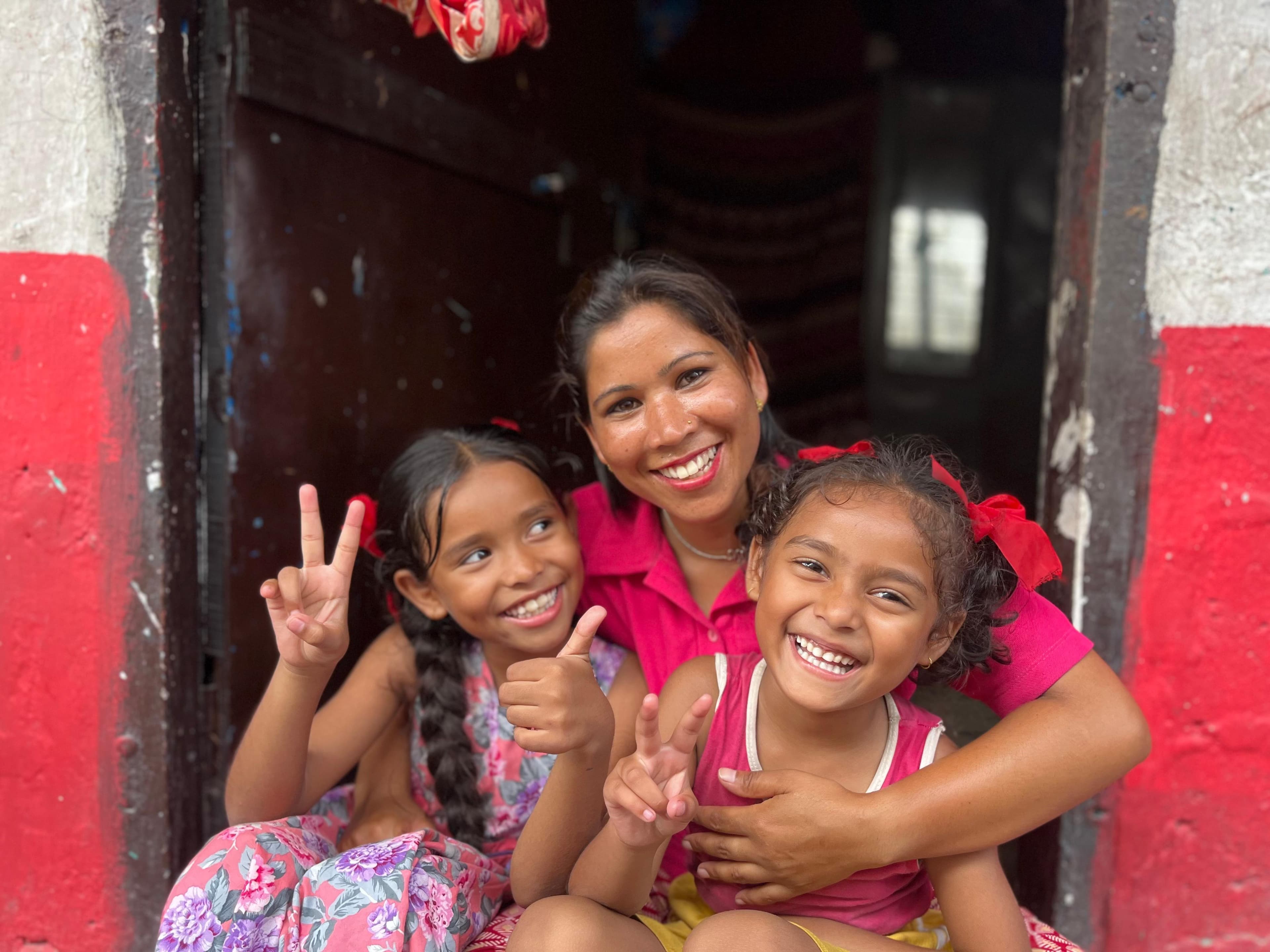
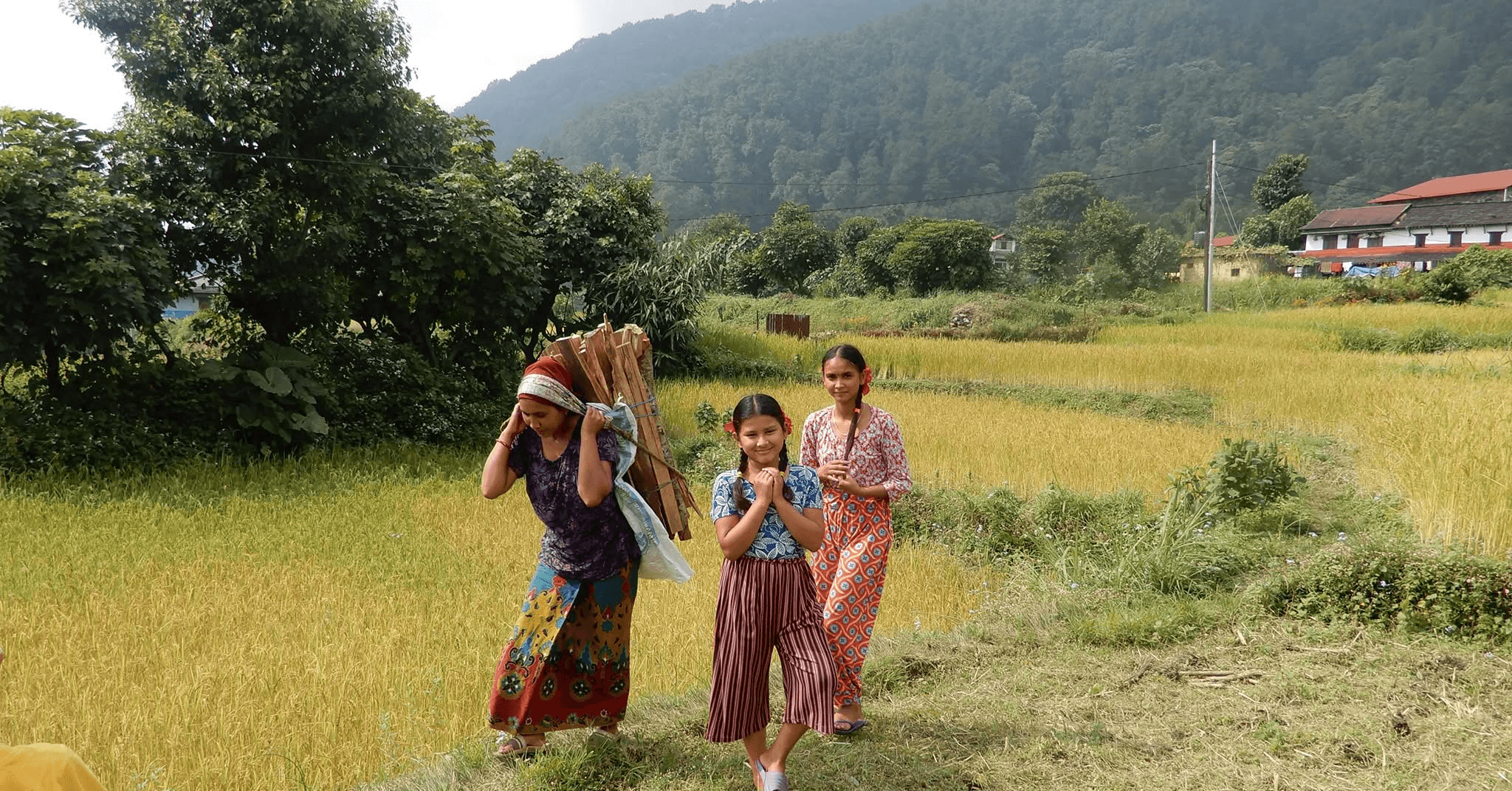
Our work focuses on the most vulnerable members of society: Destitute single mothers, widows, and grandmothers with dependent daughters, who are living in extreme hardship and are often deprived of their most basic needs.

Our Target Groups

Our work focuses on the most vulnerable members of society: Destitute single mothers, widows, and grandmothers with dependent daughters, who are living in extreme hardship and are often deprived of their most basic needs.

Context and Challenges

According to statistics from UNICEF and CWIN, between 8,000 and 12,000 girls and young women from Nepal are trafficked each year into the sex trade and other forms of exploitation in countries such as India, China, and the Middle East.

Although some progress had been made over the past decade, the economic impact of the 2015 earthquake and COVID-19 pandemic pushed millions back into poverty. The most affected are widows, single mothers, and grandmothers raising children without support. In the absence of family protection and social safety nets, they often find themselves at the very bottom of the social and economic ladder, struggling to meet even their most basic needs.

Many families face additional hardship due to the loss of husbands and fathers caused by accidents, illness, natural disasters, or abandonment. Issues such as alcoholism and drug dependency further contribute to family breakdown. As a result, a growing number of women are left as sole caregivers without income or protection.

The situation is especially critical for mothers raising only daughters, who are at higher risk of exploitation. Most of our target groups are daily wage laborers, living from hand to mouth. For them, no work means no food.

Hunger is one of the harshest consequences of poverty and often drives families into desperate situations. It increases vulnerability to violence and exploitation, including child marriage, trafficking, forced labour, and sexual abuse.

According to the World Health Organization, suicide is the leading cause of death among women aged 15-49 in Nepal. However, the true scale may be underreported due to legal and social stigma surrounding suicide.

Context and Challenges

According to statistics from UNICEF and CWIN, between 8,000 and 12,000 girls and young women from Nepal are trafficked each year into the sex trade and other forms of exploitation in countries such as India, China, and the Middle East.

Although some progress had been made over the past decade, the economic impact of the 2015 earthquake and COVID-19 pandemic pushed millions back into poverty. The most affected are widows, single mothers, and grandmothers raising children without support. In the absence of family protection and social safety nets, they often find themselves at the very bottom of the social and economic ladder, struggling to meet even their most basic needs.

Many families face additional hardship due to the loss of husbands and fathers caused by accidents, illness, natural disasters, or abandonment. Issues such as alcoholism and drug dependency further contribute to family breakdown. As a result, a growing number of women are left as sole caregivers without income or protection.

The situation is especially critical for mothers raising only daughters, who are at higher risk of exploitation. Most of our target groups are daily wage laborers, living from hand to mouth. For them, no work means no food.

Hunger is one of the harshest consequences of poverty and often drives families into desperate situations. It increases vulnerability to violence and exploitation, including child marriage, trafficking, forced labour, and sexual abuse.

According to the World Health Organization, suicide is the leading cause of death among women aged 15-49 in Nepal. However, the true scale may be underreported due to legal and social stigma surrounding suicide.

Understanding Human Trafficking

Human trafficking is a serious violation of human rights and occurs for the purpose of exploitation. This includes sexual exploitation, forced labour, slavery or similar practices, and even removal of organs.

Trafficking involves the recruitment, transportation, transfer, or harbouring of individuals through means such as coercion, deception, abuse of power, or exploitation of vulnerability. In many cases, victims or their families are misled by false promises of employment or better opportunities.

Understanding Human Trafficking

Human trafficking is a serious violation of human rights and occurs for the purpose of exploitation. This includes sexual exploitation, forced labour, slavery or similar practices, and even removal of organs.

Trafficking involves the recruitment, transportation, transfer, or harbouring of individuals through means such as coercion, deception, abuse of power, or exploitation of vulnerability. In many cases, victims or their families are misled by false promises of employment or better opportunities.

Why It Happens

Decisions about migration are often made by individuals or families in search of better livelihoods. However, due to poverty, lack of education, and limited employment opportunities, many people, especially adolescents, are forced to take unsafe migration routes despite knowing the risks.

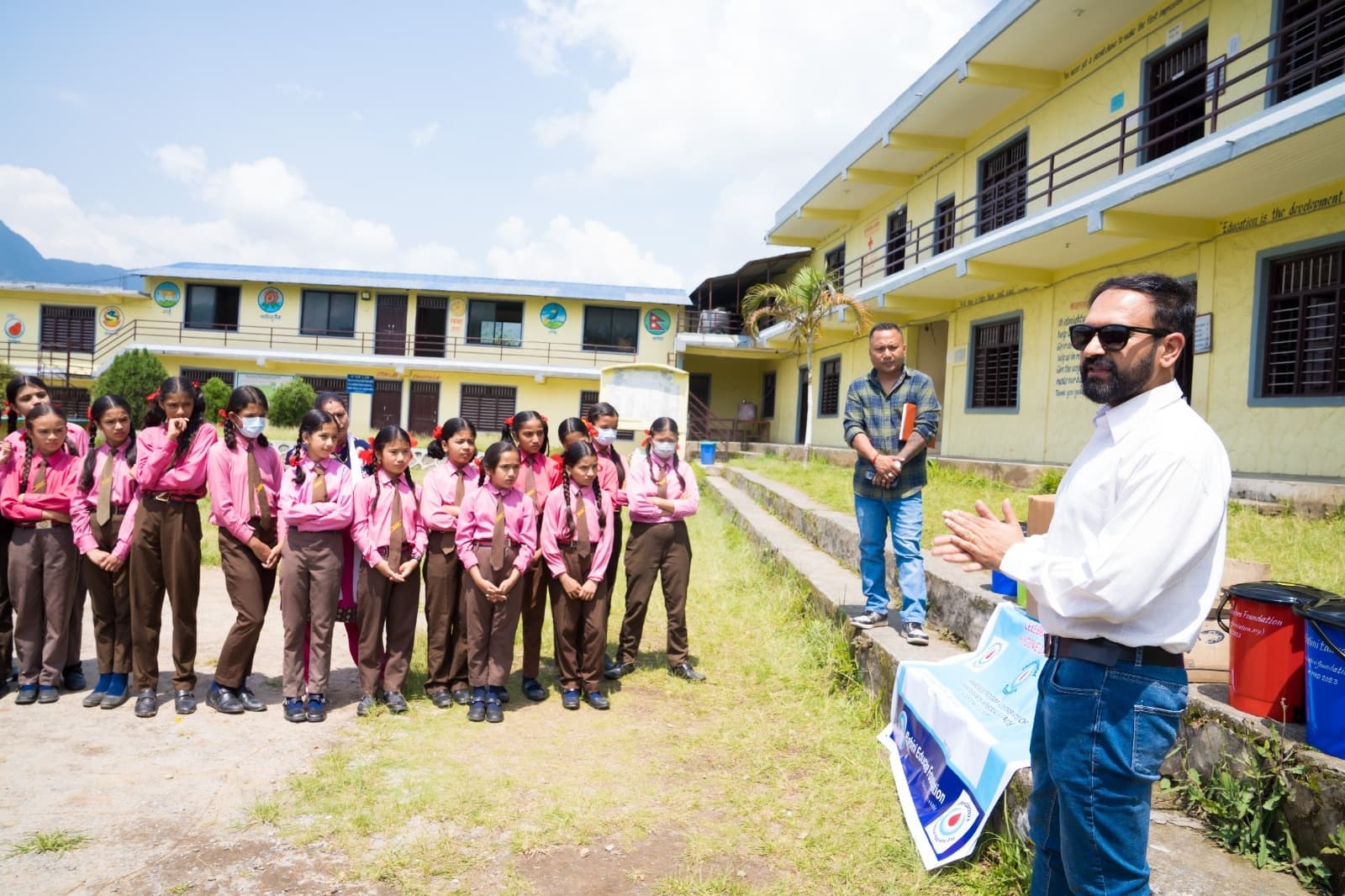
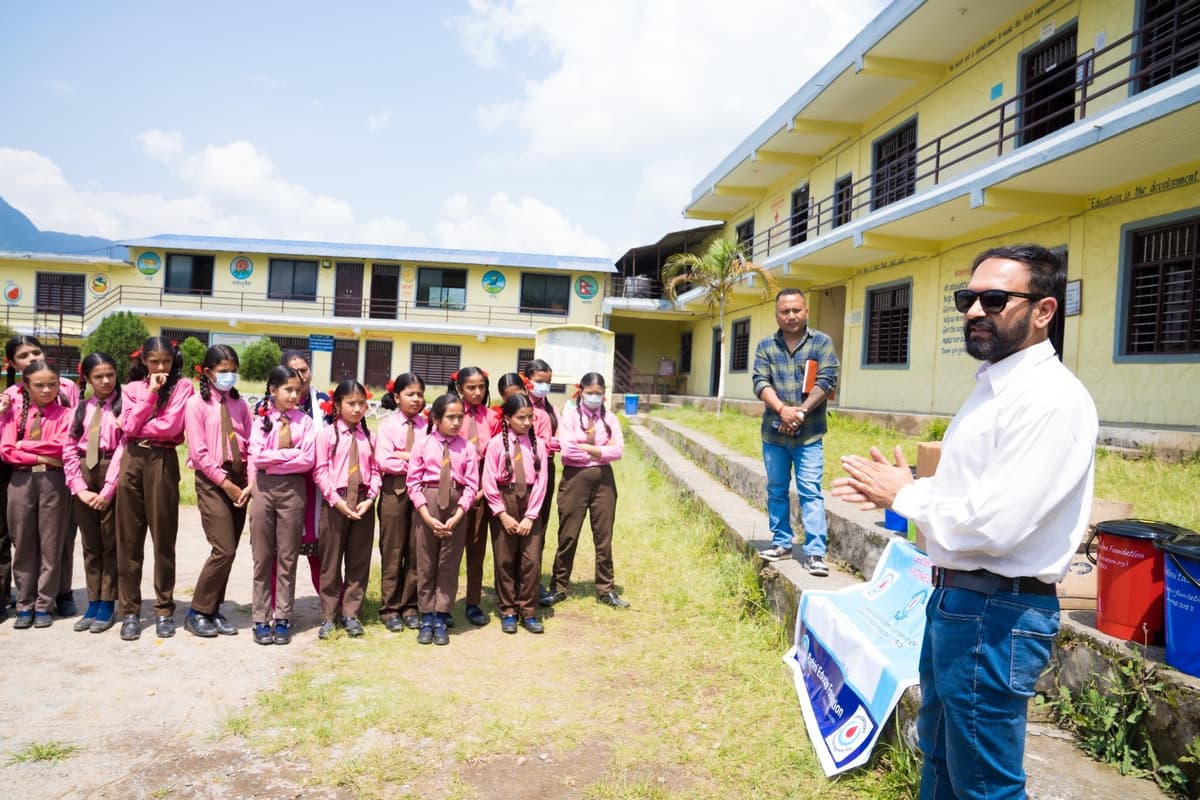
Studies show that awareness of human trafficking remains limited in many vulnerable communities. This highlights the urgent need for education and awareness programs, particularly focused on child trafficking and safe migration practices.
Why It Happens

Decisions about migration are often made by individuals or families in search of better livelihoods. However, due to poverty, lack of education, and limited employment opportunities, many people, especially adolescents, are forced to take unsafe migration routes despite knowing the risks.

Studies show that awareness of human trafficking remains limited in many vulnerable communities. This highlights the urgent need for education and awareness programs, particularly focused on child trafficking and safe migration practices.

Our Response

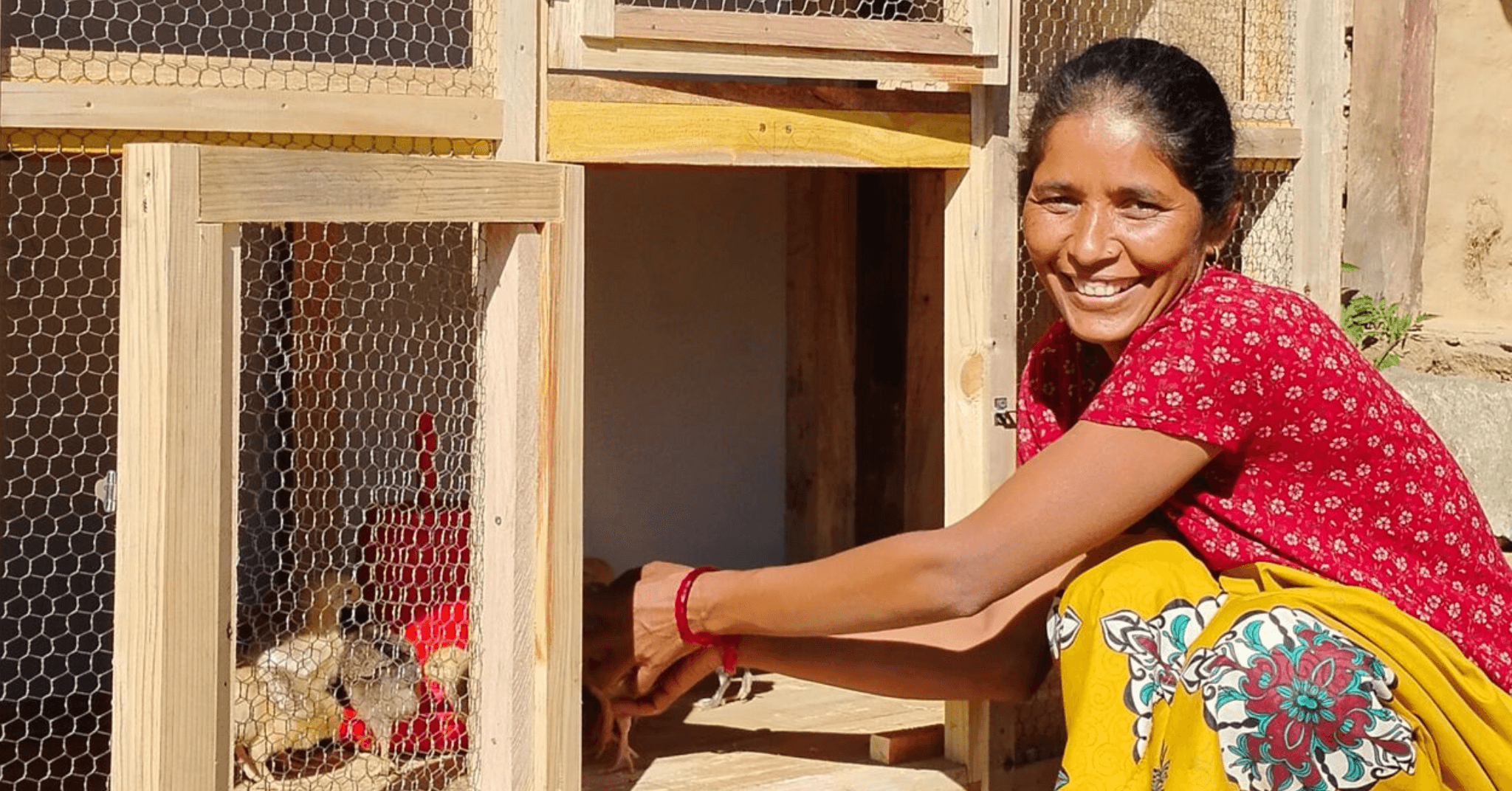
To address these challenges, it is essential to support at-risk families directly within their communities. By improving access to basic needs, education, and livelihood opportunities, and by increasing awareness about trafficking and unsafe migration, we aim to reduce vulnerability and create safer, more sustainable futures.

Our Response

To address these challenges, it is essential to support at-risk families directly within their communities. By improving access to basic needs, education, and livelihood opportunities, and by increasing awareness about trafficking and unsafe migration, we aim to reduce vulnerability and create safer, more sustainable futures.